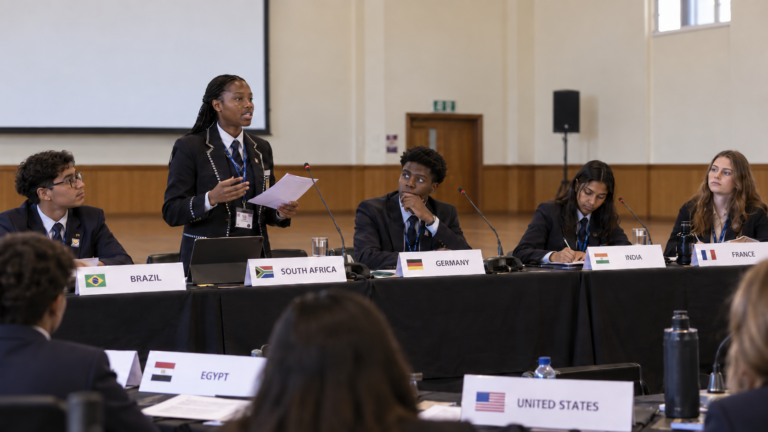
Walking into a Model United Nations debate can feel exciting, nerve-racking, and intense all at once. You’ve done your research, highlighted your notes, and maybe even practiced your opening speech in front of a mirror. But if your committee topic is Deepfakes, Disinformation, and the Protection of Electoral Integrity and Public Trust, you may still be wondering: What exactly should I focus on when the debate begins?
The good news is that this is a brilliant topic for debate. It is modern, relevant, and full of real disagreement. There is no single obvious answer, which is exactly what makes it such a strong MUN issue.
At its heart, this topic asks one major question: How can countries protect elections from lies, manipulation, and fake media without damaging freedom of expression and open democracy?
That is the challenge delegates will be debating.
First, understand the issue clearly
Before you speak in committee, make sure you can explain the topic in simple terms.
A deepfake is fake audio, video, or image content created or altered with artificial intelligence so that it appears real. For example, a deepfake might show a politician saying something they never actually said.
Disinformation is false information spread deliberately to mislead people. During elections, this could include fake campaign stories, false claims about voting rules, or manipulated content designed to damage a candidate.
This becomes especially dangerous during elections because people are already emotionally invested, political tensions are high, and information spreads quickly online. A fake video or false story shared at the right moment can influence voters before the truth catches up.
So this topic is not just about technology. It is about trust, democracy, and fair political participation.
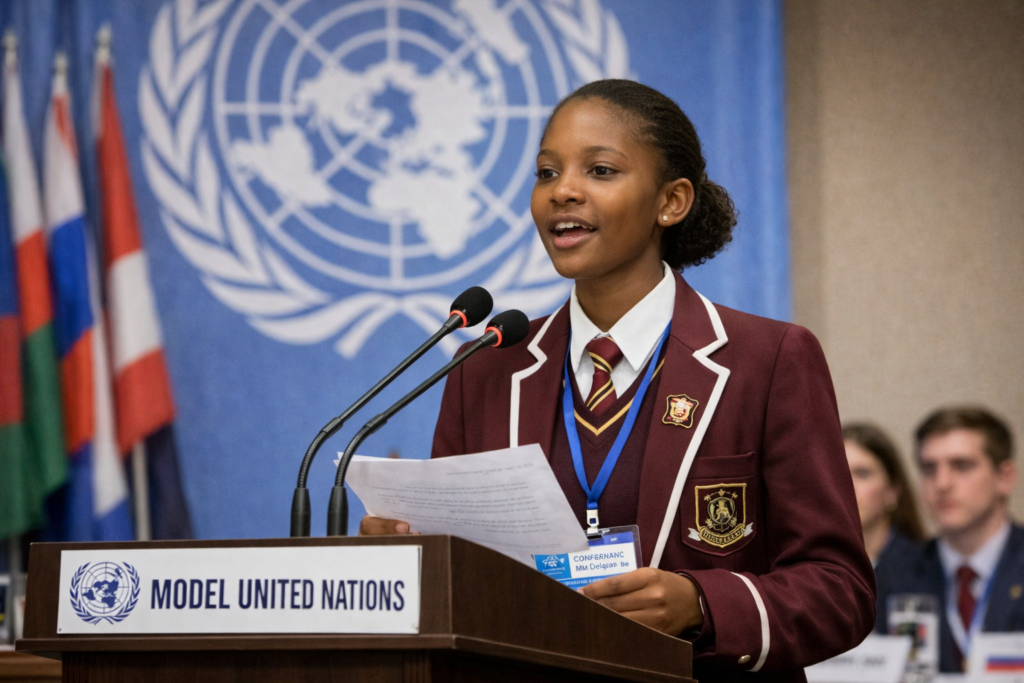
What the debate is really about
A lot of students make the mistake of thinking this topic is simply about banning fake content online. It is much more complicated than that.
Yes, deepfakes and disinformation can be harmful. They can confuse voters, damage reputations, intimidate journalists, and weaken trust in election results.
But there is another side to the debate too.
If governments are given too much power to decide what counts as “false information,” they may use that power to censor critics, opposition parties, journalists, or activists. A law that claims to protect democracy can sometimes be used to weaken it.
That means your role as a delegate is not to choose one extreme or the other. It is to think about how to balance competing priorities:
- protecting elections
- protecting free speech
- protecting public trust
- protecting democracy itself
The strongest delegates understand both sides.
What you should be ready to argue
On debate day, you should be prepared to speak about more than just definitions. You need to know the key tensions in the topic.
One major issue is platform responsibility. Should social media companies be required to remove false or manipulated election content? Should they label AI-generated political videos? Should they publish transparency reports during election periods?
Another major issue is government power. Should states create stricter laws against election-related deepfakes and disinformation? Or is there a danger that these laws will become tools of censorship?
A third issue is public trust. Even when a deepfake is exposed, damage may already have been done. And once fake media becomes common, people may start doubting real evidence too. This weakens trust in journalism, candidates, election commissions, and even democracy itself.
A fourth issue is capacity. Not all countries have the same resources. Some have strong digital systems, independent media, and rapid response teams. Others may struggle to monitor false information or respond to manipulated media during an election.
If you can speak clearly on these issues, you will already be in a strong position.
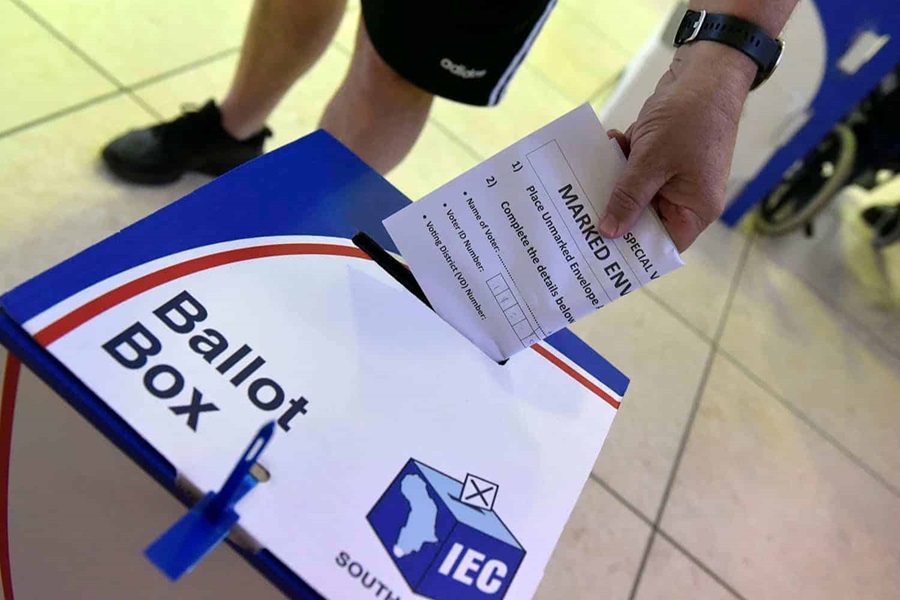
How to prepare your country’s position
One of the best ways to prepare is to stop thinking only about the topic and start thinking about your country.
Ask yourself:
- Does my country usually support strong regulation or strong free speech protections?
- Has my country experienced election-related misinformation or political instability?
- Does my country trust private tech companies, state institutions, or independent regulators more?
- Would my country support international standards, or prefer national sovereignty?
Your speech should not sound like a personal opinion essay. It should sound like a country position.
For example, some countries may argue that stricter controls are necessary to stop harmful manipulation during elections. Others may insist that freedom of expression must be protected very carefully, even when dealing with false content. Some may focus on media literacy and public education rather than censorship. Others may prioritize platform accountability.
Your job is to decide what your delegation would most likely support.
What strong delegates do in committee
Strong delegates do not just explain the problem. They move quickly toward solutions.
If you want to stand out in debate, speak in a way that is practical and balanced. Instead of saying, “Deepfakes are bad and should be stopped,” try arguing for specific measures.
For example, you could support:
- labeling AI-generated political content
- stronger fact-checking partnerships during elections
- voter education campaigns
- better support for election commissions
- protection for journalists and candidates targeted by fake media
- platform transparency on political ads
- narrowly defined laws against fake voting instructions or deceptive impersonation
This makes your contribution more useful and more persuasive.
MUN debate is not only about sounding smart. It is about helping move the room toward workable policy.
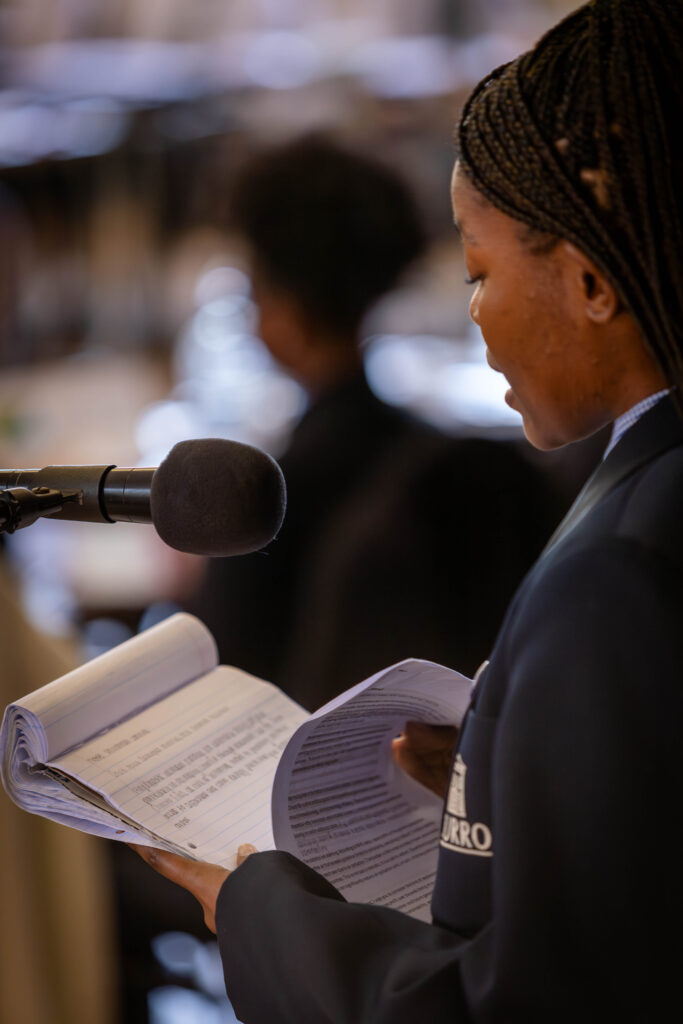
What to avoid on debate day
There are a few traps students often fall into with this topic.
The first is being too vague. Saying “we must stop fake news” is not enough. What kind of fake content? Who decides? What action should be taken? What safeguards should exist?
The second is becoming too extreme. A total ban on false content may sound decisive, but it raises major concerns about censorship and abuse. On the other hand, pretending there should be no regulation at all ignores the very real harm caused by disinformation and deepfakes.
The third is focusing only on technology. This topic is not just about AI tools. It is also about elections, institutions, media, rights, education, and trust.
The fourth is forgetting the human side of the issue. Deepfakes and disinformation do not just affect systems. They affect real people: voters who are misled, candidates who are targeted, journalists who are harassed, and communities whose trust is damaged.
How to make a strong speech
When you speak, aim for three things:
clarity, balance, and direction.
Start by showing that you understand the seriousness of the issue. Then acknowledge the tension between protecting elections and protecting freedom of expression. Finally, offer clear solutions.
A strong speech might sound something like this in structure:
- why the issue matters
- what risks your country is most concerned about
- what principles your country wants to protect
- what practical actions your country supports
That structure works well because it sounds thoughtful, diplomatic, and solution-focused.
Your mindset going into the debate
Do not panic if the topic feels complex. It is supposed to be complex. That is why it is worth debating.
You do not need to know everything. You need to understand the core question, know your country’s likely position, and be ready to contribute realistic ideas.
Remember, the best delegates are usually not the ones who memorize the most facts. They are the ones who can explain the issue clearly, listen carefully, respond intelligently, and help shape a resolution.
So as you prepare for committee, keep coming back to this central question:
How can the international community protect electoral integrity and public trust from deepfakes and disinformation without undermining freedom of expression and democratic openness?
If you can debate that question well, you will be more than ready for the day.
Keep in mind
This topic matters because democracy depends on trust. If people cannot trust what they see, hear, or read during an election, the entire democratic process becomes more fragile. But protecting democracy also means protecting open debate, criticism, journalism, and political choice.
That is why this is such an important MUN topic — and such a powerful one for students to debate.
Walk into committee ready to think critically, speak clearly, and argue for solutions that are not just forceful, but fair.
On this issue, protecting democracy means protecting both truth and freedom
Participate
- Be part of the Johannesburg Model United Nations on 25 April 2026, at Curro Midrand Sagewood.
- Learn more about the Model United Nations here.