Deutsche Internationale Schule Johannesburg
25 July 2026
We invite all high schools to participate in our upcoming High School Model United Nations (MUN) Conference at Deutsche Internationale Schule Johannesburg.
Venue: Deutsche Internationale Schule Johannesburg
Address: 11 Sans Souci Rd, Parktown, Johannesburg, 2193
Date: Saturday, 25 July 2026
Morning Session: 8:00 am – 12:00 pm
Afternoon Session: 12:30 pm – 4:30 pm
Each session is limited to 40 delegates to ensure high-quality engagement, meaningful participation, and a strong debate experience for every learner.
What is Model United Nations?
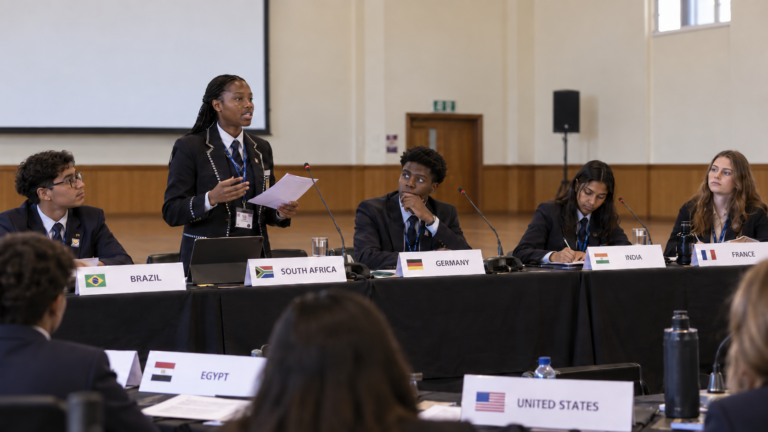
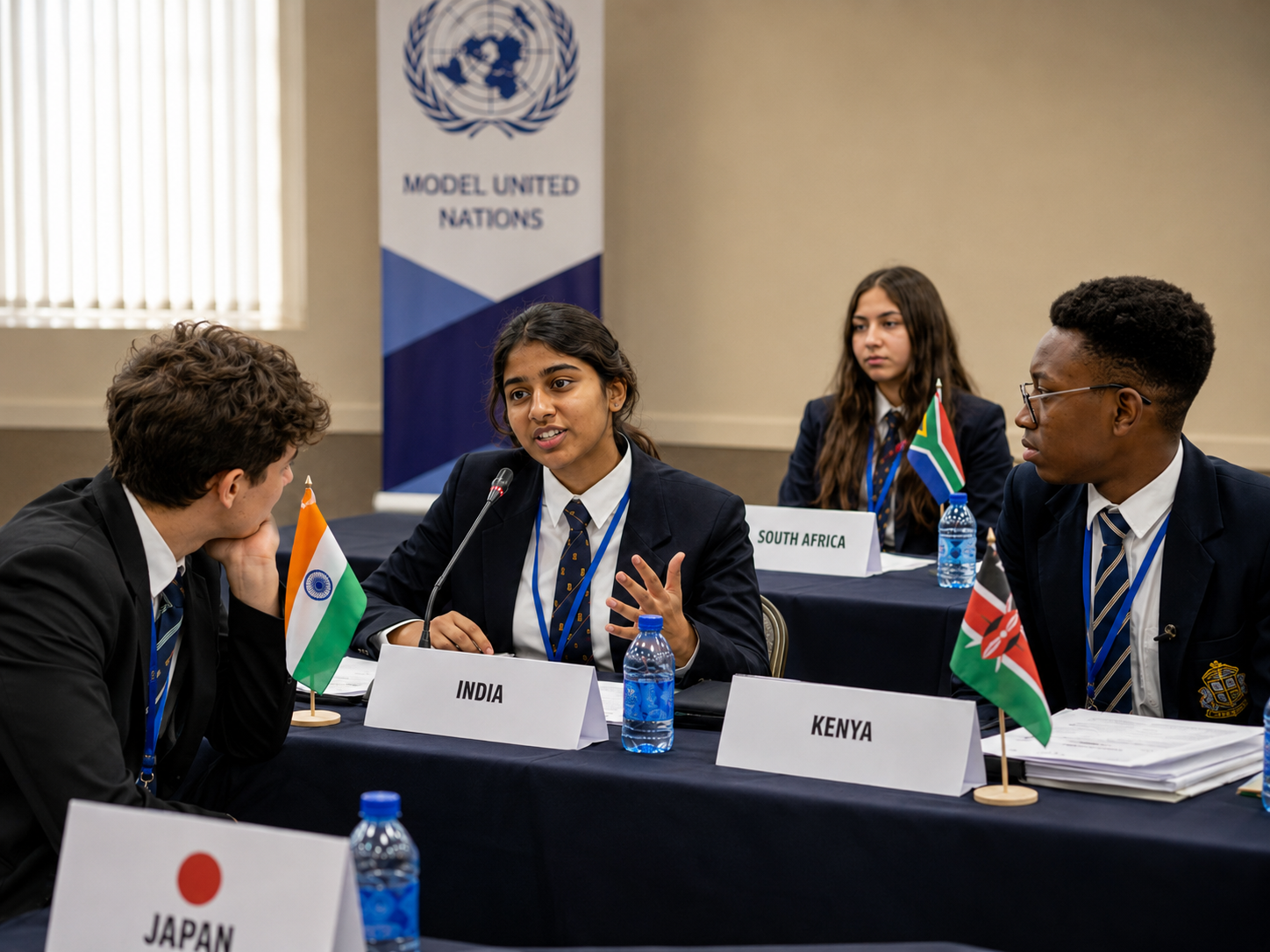
Model United Nations, also known as MUN, is an academic simulation of the United Nations where students represent different countries and debate real global issues.
Learners take on the role of diplomats, research their assigned countries, deliver speeches, negotiate with other delegates, and work together to draft resolutions that respond to international challenges.
Through MUN, students develop important academic and leadership skills, including:
- Public speaking and persuasive communication
- Research and critical thinking
- Diplomacy and negotiation
- Teamwork and leadership
- Global awareness
- Confidence in formal debate settings
Participation in MUN gives learners a valuable opportunity to engage with international affairs in a practical, exciting and intellectually challenging environment. It is especially beneficial for students interested in law, politics, international relations, economics, business, journalism, public policy and leadership.

Conference Topic
Addressing Food Insecurity and Famine in Conflict Zones
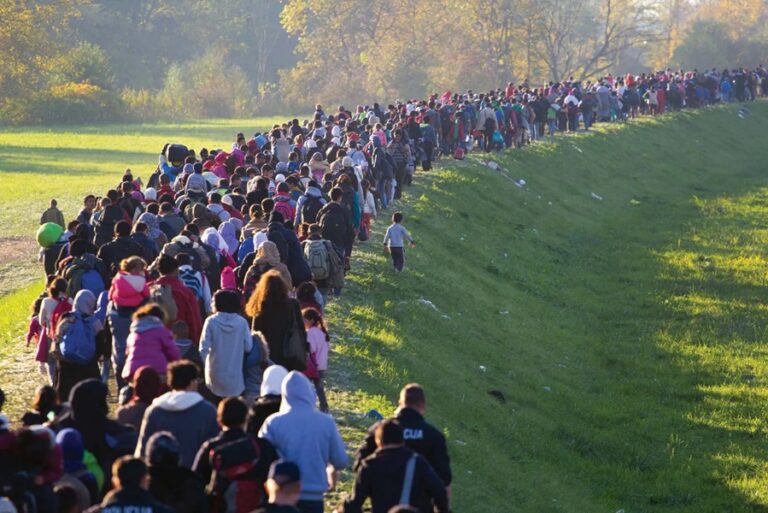
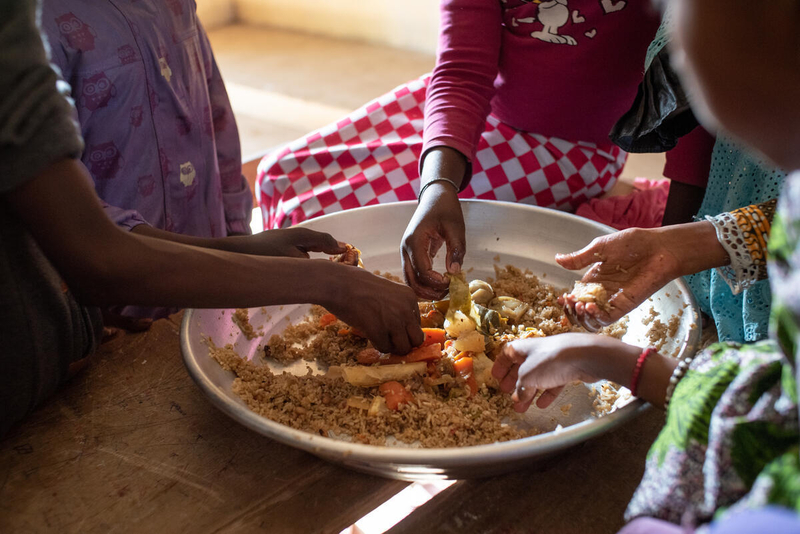
Food insecurity and famine remain among the most serious humanitarian challenges in the world today. In many conflict zones, civilians are not only affected by violence, but also by hunger, displacement, damaged infrastructure, blocked aid, rising food prices and the collapse of local food systems.
During this conference, delegates will debate how the international community can respond when war prevents people from accessing food, water, markets, farms and humanitarian assistance.
Learners will explore important questions such as:
- How can food aid safely reach civilians in conflict zones?
- What should be done when humanitarian access is blocked?
- How can the international community prevent famine before it is too late?
- How can children, displaced families and vulnerable communities be protected?
- What role should the World Food Programme and other humanitarian organisations play?
- How can countries support both emergency food aid and long-term food security?
This topic gives students the opportunity to debate a real and urgent global issue while thinking carefully about humanitarian action, international cooperation, conflict, development and human rights.
Why This Topic Matters
Conflict is one of the biggest causes of hunger in the world. When war breaks out, families may be forced to flee their homes, farmers may be unable to grow crops, markets may stop functioning, and aid organisations may struggle to reach people in need.
In some regions, hunger is not simply a result of food shortages. It can also be caused by political decisions, blocked roads, closed borders, destroyed infrastructure or the deliberate prevention of humanitarian aid.
This makes the topic especially important for young people to understand. Delegates will be challenged to think beyond simple solutions and consider the real-world difficulties of delivering aid in dangerous and unstable environments.
The debate will encourage students to think like diplomats and policymakers. They will need to balance humanitarian needs, national interests, international law, sovereignty, funding, logistics and the protection of civilians.
Conference Structure
During the four-hour session, students will participate in a structured MUN programme that includes:
- Opening speeches
- Formal debate
- Moderated caucus discussions
- Informal caucus and negotiation
- Drafting of resolutions
- Voting procedures
This immersive experience introduces learners to the procedures and atmosphere of international diplomacy while giving them a safe and supportive environment to build confidence.
Students do not need previous MUN experience to participate. Guidance will be provided, and countries will be allocated upon confirmation.
Participation Details
- Cost: R299 per delegate
- Two educators per school attend free of charge
- Snacks and refreshments will be provided
- Countries will be allocated upon confirmation
- Each session is limited to 40 delegates
Schools may register learners for either the morning or afternoon session, subject to availability.
Why Your School Should Participate
This conference offers learners a dynamic and academically enriching experience outside the classroom.
By participating, students will:
Develop Global Awareness
Learners will engage with one of the most urgent humanitarian issues facing the world and gain a deeper understanding of how conflict affects food security, civilians and international response efforts.
Build Confidence in Public Speaking
MUN gives students a structured platform to speak in front of others, present arguments clearly, and respond to different viewpoints.
Strengthen Research and Critical Thinking Skills
Delegates must research their assigned countries, understand global challenges, and develop realistic solutions based on evidence and diplomacy.
Practise Diplomacy and Negotiation
Students will work with other delegates to build alliances, negotiate wording, resolve disagreements and draft resolutions.
Prepare for Future Leadership
MUN helps learners build skills that are valuable for university, scholarship applications, leadership roles and future careers in law, politics, business, international relations, public policy and media.
Who Should Attend?
This conference is ideal for high school learners who enjoy:
- Public speaking
- Debate
- Current affairs
- History
- Geography
- Economics
- Politics
- Human rights
- Leadership opportunities
- International relations
It is also a valuable opportunity for learners who may be new to debate but want to build confidence in a supportive academic environment.
Book Your School’s Place
Schools are encouraged to reserve their places as soon as possible, as each session is limited to 40 delegates.
Spaces will be allocated on a first-come, first-served basis.
Complete the form below to reserve your school’s place for the Johannesburg High School MUN Conference on 25 July 2026 at Deutsche Internationale Schule Johannesburg.