Ready to Tackle the World’s Dinner Table? 🍽️🌍
Welcome to your ultimate guide for the Model United Nations topic: “Global Food Security Amid Supply Chain Disruptions and Climate Change.” This isn’t just about what’s for dinner; it’s about making sure everyone has dinner, every single day, in a world full of challenges. Get ready to dive into a topic that’s as crucial as it is complex!
What is the MUN?
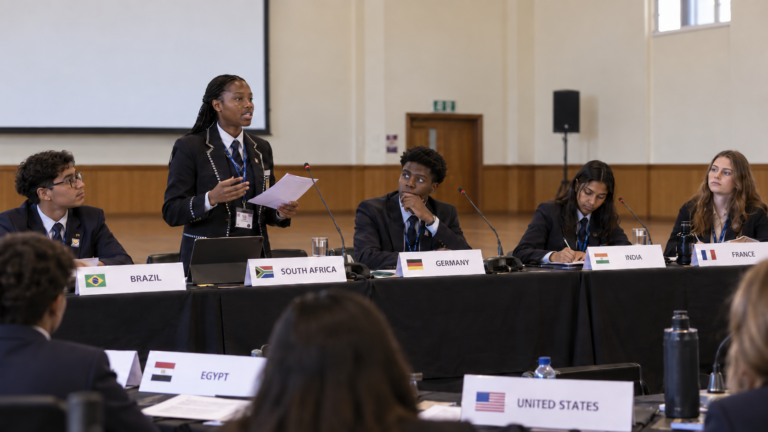
Model United Nations (MUN) is a simulation of the real United Nations, where students step into the shoes of diplomats representing different countries. Delegates research global issues, deliver opening speeches, debate policies, form alliances, and draft resolutions, just like real-world ambassadors. The goal isn’t just to “win” a debate, but to practice negotiation, teamwork, and creative problem-solving while tackling some of the world’s biggest challenges. Whether you’re brand new or an experienced debater, MUN is a chance to think globally, speak confidently, and act diplomatically.
Understanding the Crisis ⚠️
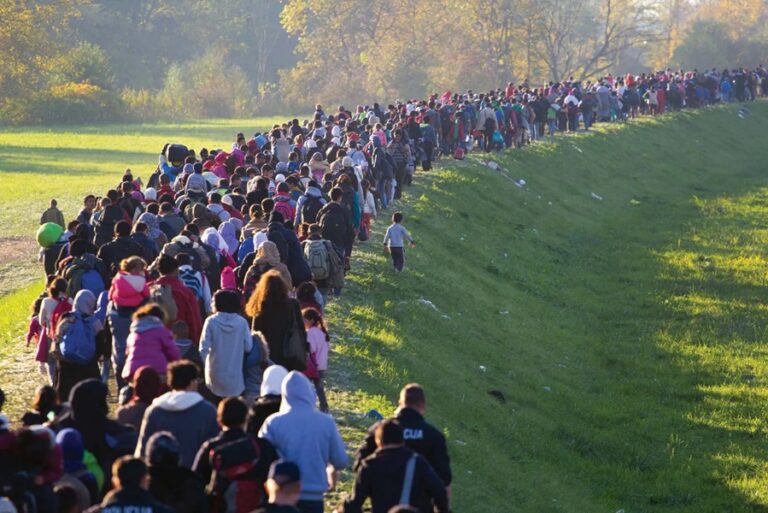
Imagine this: while you’re reading this article, between 638 and 720 million people worldwide are facing hunger, and more than 295 million people across 53 countries experienced acute hunger in 2024, an increase of nearly 14 million from the year before. This isn’t just a statistic; it’s a crisis that touches almost one in ten people on Earth.
Even though there were small improvements in 2024 compared to 2023, experts warn that progress is fragile and can easily reverse. The world is still far off track to meet SDG 2 (Zero Hunger) by 2030, and food insecurity continues to worsen due to conflict, climate disasters, and fragile economies.
As a delegate, you are stepping into one of the most urgent diplomatic challenges of our time. Your job is not just to recite facts, but to untangle the complex web of national interests, economic pressures, and political realities that make solving global hunger so challenging, and so necessary.
The Current State of Global Food Security 📊
The Scale of the Crisis:
7.8–8.8% of the global population faced hunger in 2024.
295 million people in 53 countries experienced acute hunger in 2024.
149 million children under 5 suffer from stunting due to malnutrition.
3 billion people cannot afford a healthy diet.
The Trajectory:
2024 saw 313 million fewer people facing hunger compared to 2023—a hopeful reduction of 27.5%.
BUT this progress is fragile: conflicts, climate shocks, and trade disputes could undo these gains quickly.

Key Drivers of Food Insecurity 🌍
1. Climate Change and Extreme Weather
Droughts in the Horn of Africa, floods in Pakistan, and heatwaves across Europe are destroying crops and livestock. Climate change doesn’t just threaten future food security, it’s already devastating agriculture today.
2. Supply Chain Disruptions
The COVID-19 pandemic revealed how fragile our food systems are. The Ukraine war showed how a single conflict can shake the world’s grain and fertilizer markets. Export bans, like India’s restrictions on rice, send ripple effects through global trade.
3. Economic Shocks and Inflation
Even when food is available, millions can’t afford it. Rising prices of wheat, maize, sorghum, and vegetable oils leave vulnerable households with empty plates.
4. Conflict and Political Instability
Wars directly target farms, food warehouses, and supply routes. In Sudan, Somalia, Gaza, and Ukraine, food is being used as a weapon of war.
Understanding Country Positions: A Delegate’s Guide 🌐
Major Exporters
USA: Free trade & GM crop advocate; “open markets and tech innovation will feed the world.”
Russia: Uses exports as leverage; “national food security first.”
Ukraine: “Food must never be a weapon of war”; needs secure export corridors.
Brazil: Export giant balancing agriculture with Amazon sustainability.
Argentina: Supports regional food systems but struggles with inflation.
Major Importers
Egypt: Highly import-dependent; demands price stability and protection for importers.
Bangladesh: Seeks climate adaptation funding.
Yemen: Humanitarian access is its core demand.
Food-Insecure States
Sudan: Calls for ceasefires protecting farms.
Somalia: Advocates for both emergency food aid and long-term resilience.
Technology Leaders
Netherlands: Precision agriculture and innovation sharing.
Israel: Desert farming and water-efficient tech.
Denmark: Organic and sustainable farming.
Emerging Powers
India: Self-sufficiency and small farmer protection.
China: Strategic reserves, import diversification.
Nigeria: Pushes for African agricultural development.

Key Debate Topics 🗣️
1. Free Trade vs. Food Sovereignty
Pro-Free Trade: Open markets stabilize food supply.
Pro-Food Sovereignty: Local systems prevent dependency.
2. Export Restrictions During Crises
For: Nations must feed their own people first.
Against: Export bans worsen global crises.
3. Climate Adaptation vs. Mitigation
Adaptation: Drought-resistant crops save lives now.
Mitigation: Long-term emissions cuts prevent future disasters.
4. Technology Transfer vs. Intellectual Property
Pro-Sharing: Innovation is a global good.
Pro-IP: Patents ensure investment in R&D.
Winning Debate Strategies 🎤
Lead with Human Stories: “Children in Sudan are starving” > statistics.
Find Win-Wins: Solutions that benefit exporters and importers are strongest.
Be Specific: Add funding, timelines, and accountability to proposals.
Use Current Events: Reference Sudan, Gaza, Ukraine, and climate disasters for urgency.
Possible Solutions ✅
Humanitarian Corridors for aid in conflict zones.
Global Food & Fertilizer Data System under FAO/WFP.
Climate-smart tech funds for small farmers.
Trade policy reforms limiting harmful export bans.
Public-private infrastructure partnerships to reduce waste and improve access.
Global food security is a human rights issue and one of the defining challenges of our time. As a delegate, you will balance national interests with the global common good, deciding between sovereignty and cooperation, quick fixes and long-term strategies.
Remember: the world’s dinner table depends on global cooperation. Debate with empathy, creativity, and diplomacy.
Sign up✍️
Join us at the upcoming 13 September 2025 Johannesburg High School Model United Nations at SAHETI School. We will also be having a training workshop on the 6th of September in which we will equip delegates with the tools to best participate at an MUN.