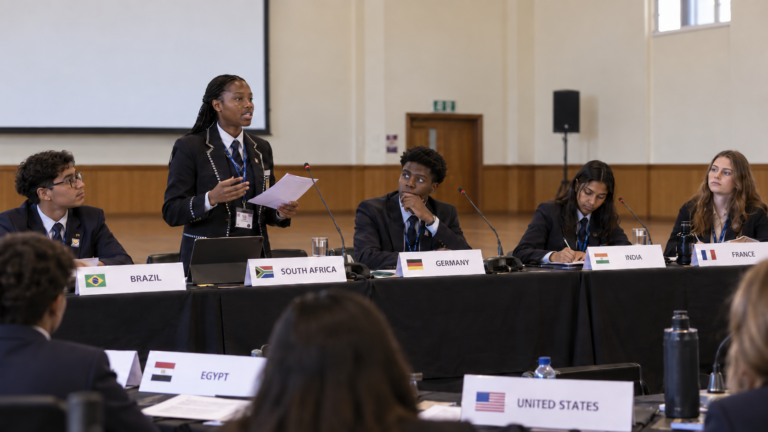
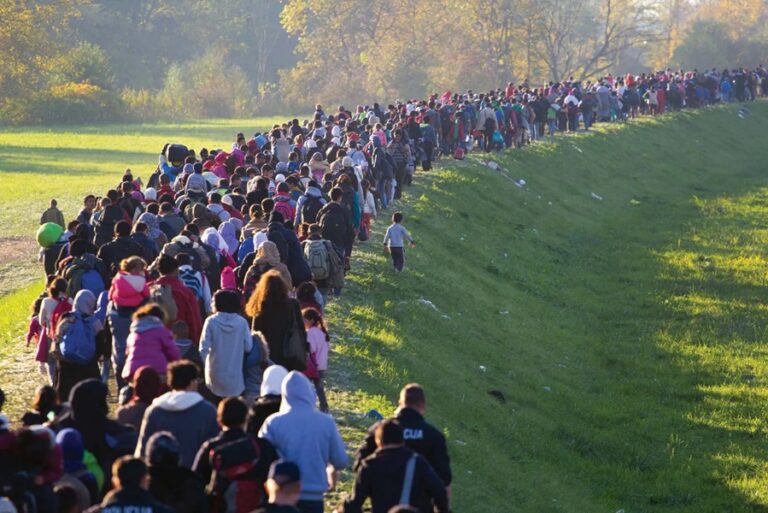
Regional conflicts are complex, often brutal, and devastating in their impact on ordinary people. As you prepare to debate this critical issue at the Model United Nations, it’s important to understand both the causes of regional conflicts and the legal, humanitarian, and diplomatic frameworks for protecting civilian populations. This post will equip you with key concepts, real-world examples, and multiple approaches so you can argue your country’s position with clarity and confidence.
Understanding the Landscape of Regional Conflict
Regional conflicts are localized armed struggles that often spill across borders and involve international actors. They may be triggered by one factor, but they are usually the product of many overlapping drivers, including:
Political instability and governance issues: Weak institutions, corruption, and power vacuums fuel insecurity.
Economic disparities: Poverty, unemployment, and unequal access to resources breed resentment.
Ethnic, religious, or ideological divisions: Long-standing grievances can erupt into violence.
External interference: Proxy wars, foreign military support, and global power competition often escalate local conflicts.
Climate change and resource scarcity: Competition for water, land, or food in fragile regions worsens tensions.
These conflicts don’t just destabilize countries — they destabilize entire regions, displace millions, and challenge international peace.
The Imperative of Civilian Protection
The harshest truth about modern conflict is that most of the victims are civilians. International Humanitarian Law (IHL), sometimes called the laws of war, exists to limit this suffering. Its key principles include:
Distinction: Combatants must always be distinguished from civilians.
Proportionality: Civilian harm must not outweigh military advantage.
Precaution: Warring parties must take steps to minimize harm to civilians.
Prohibition on targeting civilians: Civilians and civilian infrastructure (schools, hospitals, homes) must never be directly attacked.
Yet, despite these rules, civilians still endure bombings, displacement, sexual violence, and starvation. Protecting them is not just a moral duty — it is a legal obligation under international law.

Strategies for De-escalation
No single tool can end a war. Successful de-escalation often requires a combination of approaches:
Diplomacy and negotiation: Mediation, dialogue, and confidence-building measures led by the UN, African Union, or NGOs.
Sanctions: Economic and political measures to pressure leaders — though they can also hurt civilians if misapplied.
Ceasefires and truces: Monitored agreements to halt fighting and allow humanitarian aid.
Peacekeeping operations: UN or regional troops to protect civilians, monitor ceasefires, and support political processes.
Security sector reform (SSR): Professionalizing armies and police so they protect citizens rather than abuse them.
Addressing root causes: Long-term solutions must tackle inequality, political exclusion, corruption, and weak governance.
Current Global Conflicts and Civilian Protection Challenges
Here are some examples relevant to this year’s debate:
Ukraine–Russia War: Millions displaced, civilian infrastructure destroyed, and allegations of war crimes. Issues: sanctions, military aid, accountability.
Sudan: Rival military factions and ethnic violence have created famine and displacement. Issues: governance reform, disarming militias, humanitarian access.
Israel–Palestine: Civilian casualties remain high amid military operations. Issues: the Two-State Solution, international law, regional mediation.
Sahel Region (Mali, Niger, Burkina Faso): Terrorism, inter-communal violence, and climate pressures make civilians frequent targets. Issues: governance, socio-economic reforms, regional cooperation.
Ethiopia (Tigray/Amhara): Ceasefires are fragile, with famine and displacement persisting.
Myanmar (Rohingya crisis): Stateless populations remain persecuted and displaced.
These cases highlight the gap between international law and reality.

Key Debate Points to Consider
As you prepare your arguments, reflect on these critical questions:
Intervention vs. sovereignty: When is it right for the UN to step in? How does this relate to the Responsibility to Protect (R2P) doctrine?
Effectiveness of sanctions: Do they stop violence or harm ordinary people more?
Technology in warfare: How do drones, cyberattacks, and disinformation complicate civilian protection?
Humanitarian access: Why is aid often blocked, and what can the UN do about it?
Accountability: Should leaders be tried at the International Criminal Court (ICC)? How can justice be enforced?
Climate and conflict: How does resource scarcity link to war, and can climate action promote peace?
Gendered impacts: How do women and children experience conflict differently, and how can they be included in peacebuilding?
Non-state actors: How do you negotiate with armed groups that aren’t official governments?
De-escalating regional conflicts and protecting civilian populations is one of the greatest challenges facing the international community today. For MUN delegates, this topic demands a balance of legal knowledge, moral reasoning, and practical problem-solving.
As you prepare, remember: your role is not only to represent your country’s position but also to think creatively about how peace can be built and how lives can be saved. By grounding your arguments in law, evidence, and empathy, you will bring both strength and humanity to the debate.
Good luck, delegates, the world is counting on your voices.
Sign up
Not yet signed up, complete the form below to enquire. The morning session is fully booked. We have spots available in the afternoon session: