
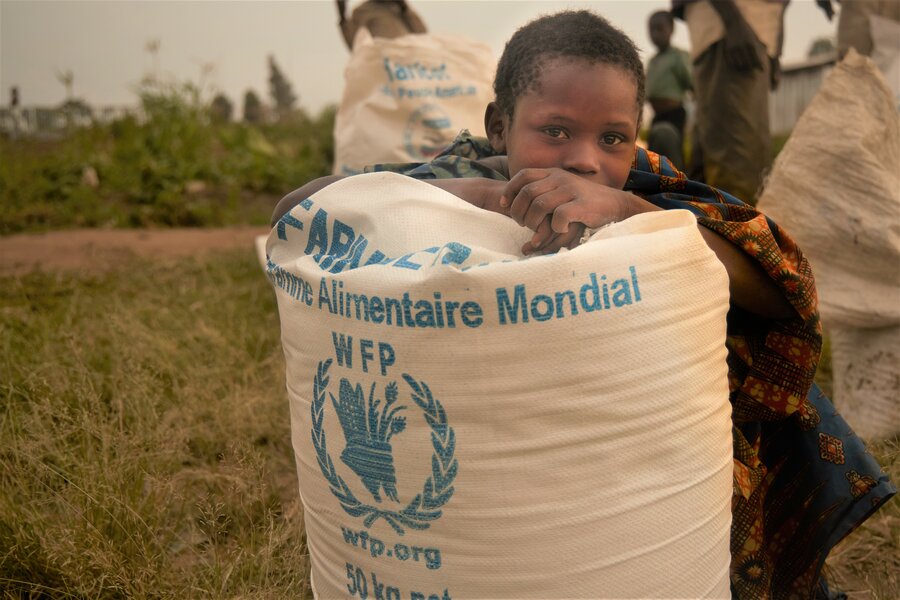
In our upcoming High School Model United Nations conferences, delegates will debate one of the most urgent humanitarian issues facing the world: food insecurity and famine in conflict-affected regions.
This topic is about much more than hunger. It is about war, displacement, blocked aid, damaged farms, destroyed infrastructure, rising food prices, climate shocks, and the question of whether the international community is doing enough to protect civilians when food becomes a matter of survival.
For many people, famine may seem like something caused only by drought or a lack of food. In reality, famine in conflict zones is often caused by people being cut off from food, markets, land, water, jobs and humanitarian aid. In many crises, food exists somewhere in the region or the world, but the people who need it most cannot safely access it.
This article will help you understand the topic, prepare your country position, and think about the kinds of solutions you can bring into the debate.
Understanding the Topic
The official topic is:
Addressing Food Insecurity and the Risk of Famine in Conflict-Affected Regions
The debate will focus on how the international community can prevent famine, protect civilians, secure humanitarian access, support local food systems, and ensure that food assistance reaches people in areas affected by armed conflict.
This topic is especially important because conflict is one of the biggest drivers of hunger in the world. When war breaks out, people may be forced to flee their homes. Farmers may be unable to plant or harvest crops. Roads and ports may be damaged or blocked. Markets may collapse. Food prices may rise sharply. Humanitarian workers may be prevented from reaching the people most in need.
In some cases, hunger is not just a side effect of war. It can become a weapon. Civilians may be deliberately starved, aid may be blocked, and essential food systems may be attacked.
That is why this debate matters.
Delegates should not only ask, “How do we send more food?” They should ask:
- How can food reach civilians safely?
- What should happen when aid is blocked?
- How can famine be prevented before it is officially declared?
- How can children and vulnerable people be protected?
- How can communities rebuild their own food systems during and after conflict?
- How can the international community respond without ignoring national sovereignty?
What Is Food Insecurity?
Food security exists when people have reliable access to enough safe and nutritious food to live healthy lives.
Food insecurity happens when people do not have reliable access to enough food. This can happen because food is unavailable, unaffordable, unsafe, or impossible to reach.
In conflict zones, food insecurity is often caused by several problems happening at the same time. A family may lose their home, their income, their land, their livestock and their access to markets all at once. Even if food is available in another part of the country, they may not be able to reach it or afford it.
Food insecurity can become especially dangerous when it becomes acute food insecurity. This means people face an immediate and serious lack of food that threatens their lives or livelihoods.
What Is Famine?
Famine is the most extreme form of food insecurity. It is not simply “many people being hungry”. Famine is a technical classification based on severe hunger, malnutrition and death rates.
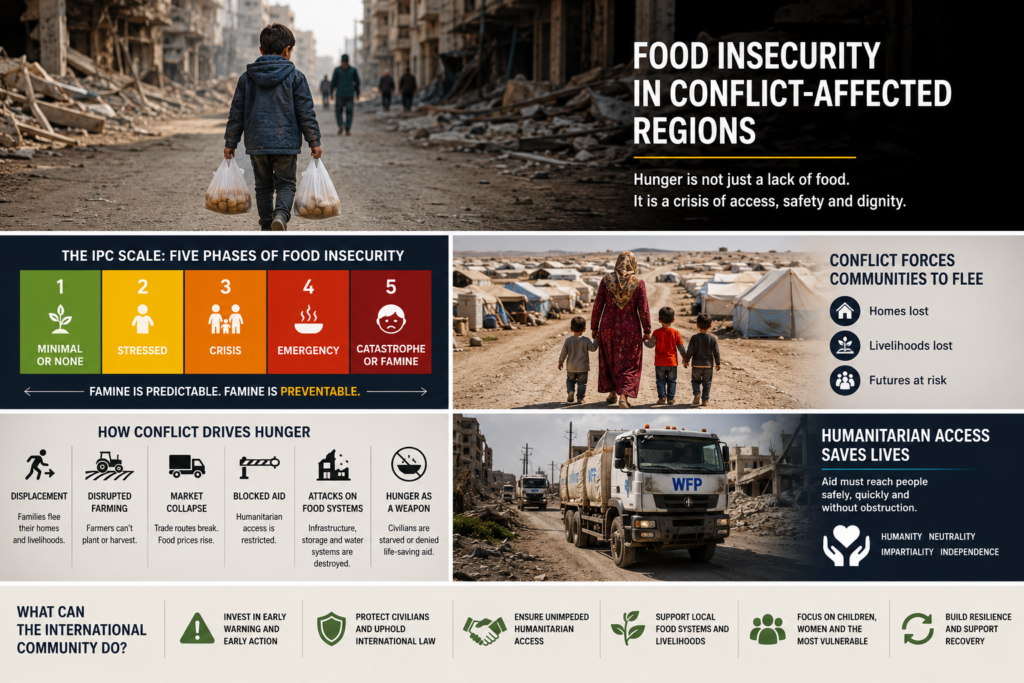
The Integrated Food Security Phase Classification, known as the IPC, classifies food insecurity in five phases:
- Minimal or None
- Stressed
- Crisis
- Emergency
- Catastrophe or Famine
Famine is declared when the situation has reached the most severe level. This means a large portion of the population has almost no access to food, many children are severely malnourished, and people are dying from starvation or from diseases linked to malnutrition.
An important point for delegates to remember is this: famine is usually predictable and preventable. By the time famine is officially declared, warning signs have often been visible for months. This means early action is one of the most important parts of solving the problem.
Why Conflict Causes Hunger
Conflict can cause food insecurity in many ways.
1. People are displaced
When people flee violence, they often leave behind their homes, farms, jobs, livestock, documents and savings. Displaced people may end up living in camps, temporary shelters or overcrowded host communities. They often become heavily dependent on humanitarian aid.
2. Farming is disrupted
War can prevent farmers from planting, harvesting or selling crops. Fields may be destroyed, livestock may be stolen, and irrigation systems may be damaged. In some areas, landmines or ongoing fighting make farmland too dangerous to use.
3. Markets collapse
Conflict disrupts trade routes, transport systems, ports and border crossings. This can make food harder to move and more expensive to buy. Even when food is available, ordinary families may no longer be able to afford it.
4. Humanitarian access is blocked
Aid organisations may not be able to reach civilians because of fighting, roadblocks, bureaucracy, damaged infrastructure, insecurity or deliberate obstruction by parties to the conflict.
5. Food systems are attacked
Markets, farms, storage facilities, water systems, roads, ports and aid convoys may be damaged, attacked or looted. This weakens the systems that people rely on to survive.
6. Hunger is used as a weapon
International humanitarian law prohibits the starvation of civilians as a method of warfare. However, in some conflicts, food, water and aid access are deliberately restricted to pressure or punish civilian populations.
The Role of the World Food Programme
The recommended committee for this topic is the World Food Programme Executive Board.
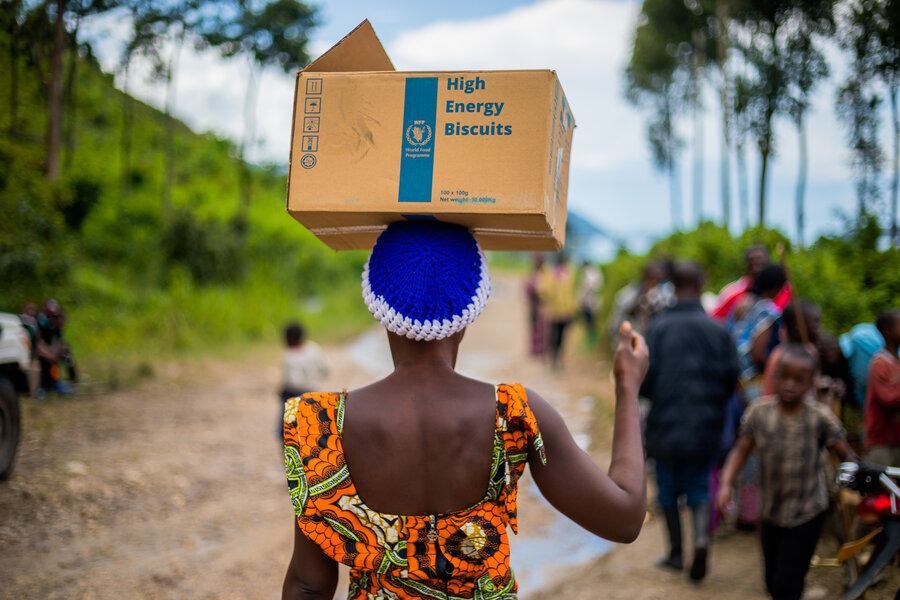
The World Food Programme, or WFP, is the world’s largest humanitarian organisation focused on food assistance. It provides emergency food aid, cash assistance, school meals, nutrition support, logistics services and support for communities recovering from crises.
For this debate, delegates must understand what WFP can and cannot do.
WFP can:
- Provide emergency food assistance.
- Support nutrition programmes.
- Coordinate humanitarian logistics.
- Help deliver aid in difficult environments.
- Support school feeding programmes.
- Provide cash-based transfers where markets are functioning.
- Work with governments, UN agencies, NGOs and local organisations.
- Support local food systems and resilience.
WFP cannot:
- Force countries to end wars.
- Deploy peacekeepers.
- Impose sanctions.
- Arrest war criminals.
- Force armed groups to open roads or borders.
- Replace the role of the Security Council.
This means your solutions must fit the committee. A strong WFP resolution should focus on humanitarian access, emergency food delivery, nutrition, funding, logistics, local food systems, early warning and coordination.
Key Crisis Areas to Know
Delegates do not need to know every conflict in the world, but they should understand a few important examples.
Sudan
Sudan is one of the most severe hunger crises in the world. Ongoing conflict has caused mass displacement, damaged markets, disrupted agriculture and made humanitarian access extremely difficult. Many areas are facing extreme levels of food insecurity, with some areas in or at risk of famine.
Sudan is an important case study because it shows how quickly conflict can create a nationwide food emergency. Delegates should think about humanitarian corridors, cross-border aid, local markets, civilian protection and the challenge of reaching people in areas controlled by different armed actors.
Gaza
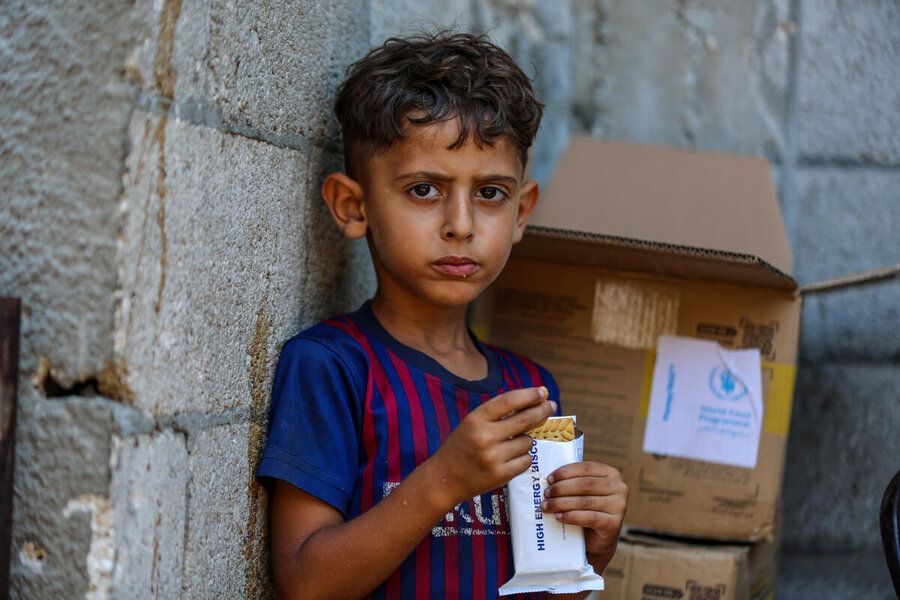
Gaza is a major example of how conflict, access restrictions, displacement and destruction of infrastructure can create catastrophic food insecurity. The crisis raises difficult questions about humanitarian access, civilian protection, restrictions on aid, and the responsibilities of parties to conflict under international humanitarian law.
Delegates should consider how food aid can reach civilians when access is heavily restricted and when people are repeatedly displaced.
Yemen
Yemen has faced years of conflict, economic collapse and humanitarian crisis. Food insecurity there is not only caused by fighting, but also by damaged infrastructure, reduced imports, inflation, unemployment and long-term dependence on aid.
Yemen is useful for understanding protracted crises. Delegates should think about how emergency aid can be combined with long-term support for livelihoods, agriculture and economic recovery.
Democratic Republic of the Congo
The Democratic Republic of the Congo faces severe food insecurity, especially in areas affected by armed groups and displacement. In eastern DRC, insecurity, poor roads and repeated violence make it difficult for humanitarian agencies to reach communities in need.
This case study shows how food insecurity can become chronic when conflict continues for many years and when infrastructure is weak.
Haiti
Haiti shows that food insecurity can also be driven by gang violence, political instability, displacement and state fragility. Humanitarian organisations may struggle to reach communities in areas controlled by armed groups.
This raises an important debate question: how should humanitarian agencies operate in places where the main threat is not a traditional war, but organised violence and insecurity?
South Sudan
South Sudan faces a combination of conflict, flooding, displacement, economic hardship and food insecurity. This is a useful example of how climate shocks and conflict can reinforce each other.
Delegates should consider how aid can reach isolated communities when both insecurity and flooding make transport difficult.
The Main Issues in the Debate
Humanitarian Access
Humanitarian access is one of the most important parts of this topic. Food aid cannot save lives if it cannot reach the people who need it.
Delegates should think about whether the international community should support humanitarian corridors, cross-border aid, negotiated access with armed groups, better protection for aid convoys, and stronger reporting when aid is blocked.
Starvation as a Weapon of War
International humanitarian law prohibits using starvation as a method of warfare. Delegates should discuss how the international community should respond when civilians are deliberately cut off from food, water or aid.
However, delegates must be careful. In a WFP committee, the focus should not only be punishment. It should also be prevention, monitoring, access and protection.
Funding Shortages
Humanitarian organisations often know what needs to be done but do not have enough funding to do it. When funding is limited, agencies may have to reduce food rations, cut programmes or prioritise only the most vulnerable groups.
Delegates should consider whether donor countries should provide more predictable, flexible and long-term funding.
Emergency Aid vs Long-Term Solutions
Emergency food aid saves lives. But if countries depend only on emergency aid year after year, the root causes of hunger remain.
A strong debate should balance immediate food assistance with long-term solutions such as supporting farmers, rebuilding markets, protecting livelihoods, restoring water systems, and strengthening local food production.
Children and Malnutrition
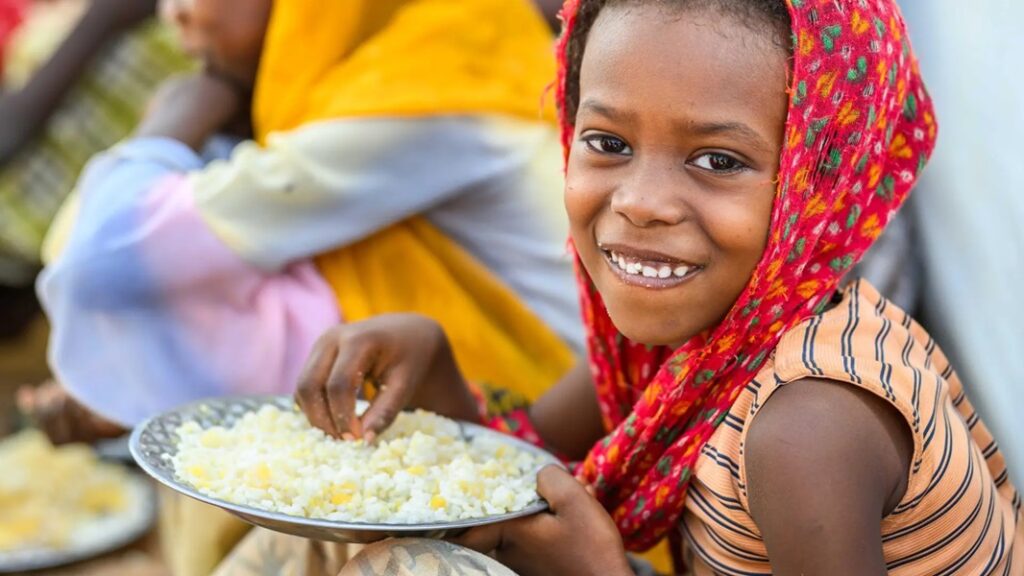
Children are especially vulnerable during food crises. Malnutrition can affect a child’s growth, health, learning and future development. Pregnant women, breastfeeding mothers, older people and people with disabilities are also at high risk.
Delegates should consider targeted nutrition programmes, mobile clinics, school feeding, therapeutic food and community-based screening for malnutrition.
Aid Diversion
In conflict zones, food aid can be stolen, taxed, sold or diverted by armed groups. This creates a difficult challenge. Aid agencies must prevent diversion, but they must also avoid making aid delivery so slow and complicated that people starve while waiting.
Delegates should think about community monitoring, transparent registration systems, independent audits and partnerships with trusted local organisations.
Climate and Conflict
Climate shocks such as droughts, floods and extreme weather can make conflict-related hunger worse. In places already affected by violence, a flood or drought can push communities into crisis.
Delegates should think about drought-resistant seeds, flood protection, climate-resilient agriculture, water systems and early warning systems.
How to Prepare Your Country Position
Your country position should not simply be your personal opinion. In MUN, you represent the interests, policies and priorities of your assigned country.
Ask yourself these questions:
- Is my country affected by conflict, hunger or displacement?
- Is my country a donor that funds humanitarian aid?
- Does my country host refugees or internally displaced people?
- Is my country a major food importer or exporter?
- Has my country worked with WFP, FAO, UNICEF or OCHA?
- Does my country support cross-border aid?
- Does my country strongly defend national sovereignty?
- Has my country spoken about Sudan, Gaza, Yemen, DRC, Haiti or South Sudan?
- Would my country support stronger accountability for blocking food aid?
- Would my country prefer emergency food aid, long-term agricultural support, or both?
Your answers will help you decide what your country should argue during the debate.
For example, a major donor country may focus on accountability, funding and efficient aid delivery. A conflict-affected country may focus on sovereignty, urgent support and rebuilding infrastructure. A neighbouring country may focus on refugees and cross-border stability. A food-exporting country may focus on keeping grain and fertiliser trade open.
What Strong Delegates Should Do
Strong delegates will do more than describe the problem. They will offer realistic solutions.
Instead of only saying, “We must end hunger,” explain how your country wants to do that.
For example, you could propose:
- Humanitarian corridors in areas at risk of famine.
- Early warning systems that trigger funding before famine is declared.
- Better protection for aid workers and food convoys.
- Mobile nutrition clinics for children and pregnant women.
- Support for local farmers through seeds, tools and livestock protection.
- Cash assistance where markets are still functioning.
- Community monitoring to prevent aid diversion.
- More flexible and predictable funding for WFP.
- Cross-border aid routes where normal access is blocked.
- Stronger reporting on attacks against food systems.
Good solutions are specific. They explain who should act, how the action will work, and why it will help.
Possible Debate Questions
These are the kinds of questions delegates should be ready to discuss:
- How can food aid reach civilians when roads, ports or borders are blocked?
- Should humanitarian corridors be negotiated in famine-risk areas?
- What should happen when governments or armed groups block food assistance?
- How can WFP prevent aid from being stolen or diverted?
- Should food aid be delivered directly, or should people receive cash assistance?
- How can the international community act before famine is officially declared?
- What special protections are needed for children and pregnant women?
- How can local farmers continue producing food during conflict?
- How should climate shocks be included in famine prevention plans?
- How can humanitarian organisations remain neutral while operating in conflict zones?
Possible Resolution Ideas
A strong resolution could be built around five main pillars.
1. Access
Delegates could call for safe and unimpeded humanitarian access, negotiated corridors, cross-border delivery routes, and better monitoring of access restrictions.
2. Prevention
Delegates could support early warning systems, IPC assessments, rapid funding mechanisms and earlier action when areas reach emergency food insecurity levels.
3. Protection
Delegates could call for the protection of civilians, aid workers, food convoys, farms, markets, food storage facilities, water systems and other objects essential to survival.
4. Nutrition
Delegates could prioritise children, pregnant women, breastfeeding mothers, older people and people with disabilities through targeted nutrition support.
5. Resilience
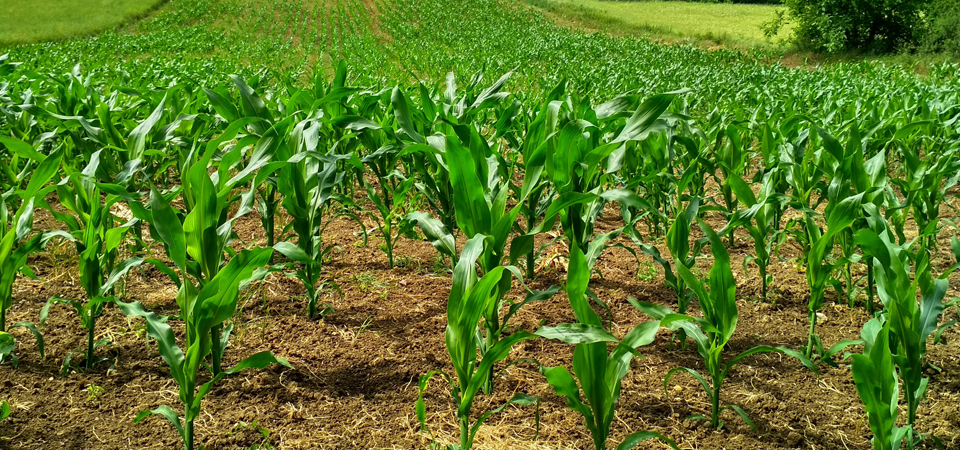
Delegates could support local agriculture, markets, climate adaptation, livelihoods and community recovery so that people are not permanently dependent on emergency aid.
Common Mistakes to Avoid
Avoid making your speech too general. Saying “we need peace” or “we must end hunger” is not enough.
Avoid acting as though WFP can do everything. WFP cannot end wars or impose sanctions. Keep your solutions within the power of the committee.
Avoid ignoring politics. Famine in conflict zones is often connected to power, control, access and conflict strategy.
Avoid ignoring funding. Every solution needs resources.
Avoid treating every crisis the same. Sudan, Gaza, Yemen, Haiti, DRC and South Sudan each have different causes and challenges.
Avoid blaming without proposing. MUN debate is not only about criticising countries. It is about building solutions that other delegates can support.
Final Advice for Delegates
This topic is serious, emotional and complex. It deals with people who are facing some of the worst conditions imaginable. But your role as a delegate is not only to describe suffering. Your role is to think like a policymaker.
The strongest delegates will understand that famine in conflict zones is usually preventable. The world often has warning signs, food supplies, humanitarian organisations and legal frameworks. The challenge is getting food to people safely, quickly and fairly.
As you prepare, focus on three things:
- Understand your country’s position.
- Know the main causes of hunger in conflict zones.
- Bring practical solutions into the debate.
A good delegate will explain the problem. A great delegate will help the committee move toward a realistic solution.
Learn More & Register
Learn more about upcoming Model United Nations Conference and Register:


